Projects
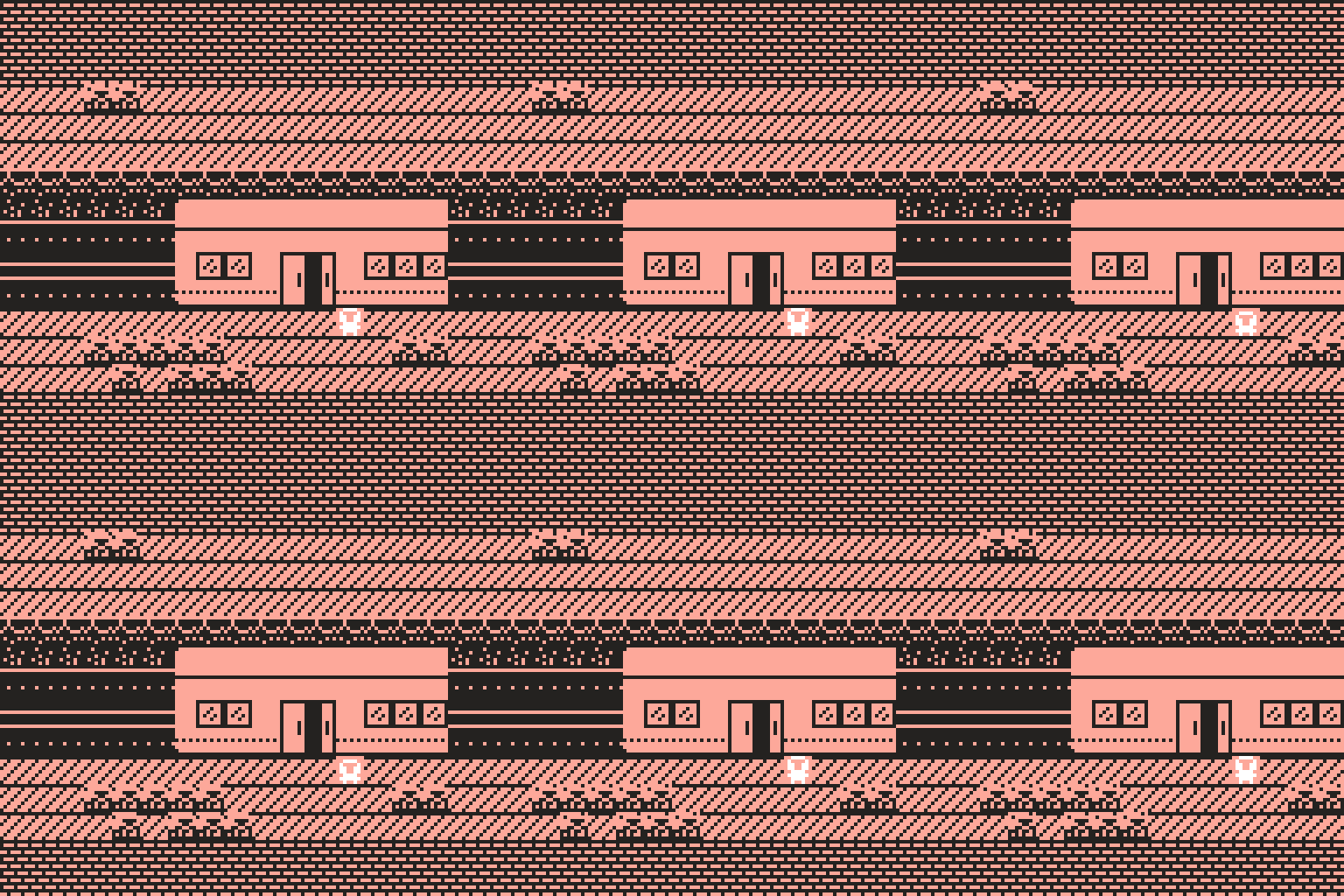
Exploring Native Programs (2018)
In a previous life, I worked as the Outreach Coordinator for Washington State University’s Native American Programs. One particularly cold winter I pitched my boss the idea of making a game as a recruitment tool. She gave the thumbs up and I got to work. After it was done, I had it embedded as an Easter egg in our program website.
This is how I taught myself how to use Bitsy, and now it stands as a kind of moment in time when the crew was Faith, Joelle, Ken and I in Cleveland Hall together doing our best to support Native students along their higher education journeys.
Distributed (Un)Deaths (2023)
This collection of videos came about as a reflection on what it means to grieve in an era of compulsory distributed selves, when the difference between the mechanics of compulsive play loops and coping mechanisms have become increasingly entangled, when the last thing we might have of one’s dear friend is a video of a sunset they uploaded to social media before going missing.
Age of Empires III: Definitive Edition (2020)
I was a cultural consultant for Age of Empire III: DE and lead writer for its Warchiefs Act II: Shadows portion. It was a fraught process to say the least, but I am grateful to the kind-hearted folks I worked with on the project, especially Noble Smith, who truly wanted make the game better for Native players. It didn’t get cancelled, it wasn’t left the same content-wise but with a warning, nor did it get radically changed—my top three suggestions. But somewhere in there, amidst the colonial violence is an anti-colonial story I wrote.
Here’s a little interview on how I ended up entangled in the project.
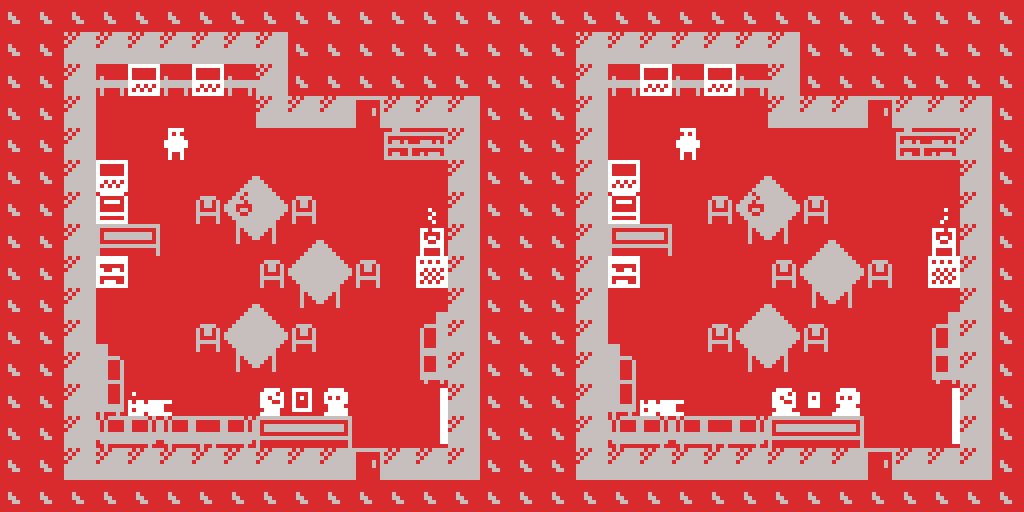
(In)Humanity (2013)
The impact of Dark Souls (2011) on games culture and design can be hardly underrated. What held a particular fascination for me was the emergent qualities of its asynchronous multiplayer component bolstered by the various in-game covenants players could join. Using special items in particular locations, players could “invade” others players worlds or “summon” other players to into their game world for help. To do this, players must be in human form, using the scarce one time use item, “humanity” of which I used a glitch to give myself a nearly unlimited amount of.
Certain areas were more popular than others for multiplayer. The Darkroot Garden was arguably the most chaotic multiplayer space. If you were in human form and dared to traverse the area, you would be invaded by numerous blue phantoms that would unceremoniously gang up on you. In the case of my Inhumanity video, I chose the Graveyard covenant that exacerbated the situation, upping the cap of how many people could invade me, to highlight the digital violence of the space. All to the tune of Orbital’s “Satan Industrial Mix.”
On the flip side, in my Humanity video I offered each player who joined my world the humanity item in hopes of changing the culture of the space to one that was less violent and more playful. Joe Hisaishi’s gentle piano piece “Summer” from the Kikujiro (1999) soundtrack adds a heavy-handed dose of sentimentality to it all.
Wendigo World (2022)
This game first came about as a project thinking through the phenomenology of technology during the final semester of my doctoral coursework. You can go here to read more about the game and how it ended up embedded in the Shall, Make Shall Be: The Bill of Rights at Play exhibition.
Play Wendigo World
[In case you were wondering, yes, I have both Chippewa and Cree ancestry from my grandmother.]